For generations of families across Sparthbottoms and Rochdale, Sheila Acton is much more than a community worker or former teacher. To many, she has been a mentor, a guide, a trusted figure and, as countless people affectionately called her over the years, “Mother.”
Her story is one of dedication, compassion and a lifelong commitment to bringing communities together. Through schools, community centres, youth projects and neighbourhood initiatives, Sheila has spent decades helping people discover opportunities they may never have thought possible.
Early Years at Oakenrod Primary School
Sheila began her career at Oakenrod Primary School in the late 1960s, working in pastoral care. The role naturally extended beyond the school gates and into the community — something that immediately appealed to her.
Working closely with children and families gave her insight into everyday challenges and the importance of building relationships. Those years became the foundation for what would become a lifetime devoted to community development.
Many former pupils still remember their time at Oakenrod and the teachers who shaped their childhoods. Sheila remained connected with many colleagues and pupils over the years, valuing those relationships deeply.
She stayed at Oakenrod School from 1968 until 1984.
Even outside of her professional role, Sheila was already deeply involved in voluntary work within her community. She dedicated her time to supporting young people through Brownies, Guides and Rangers, helping children develop confidence, friendships and life skills beyond the classroom.
She was also actively involved in her local Parish Church Council, Parent Teacher Associations at her children’s schools, and Norden Community Council. Long before community work became her full-time career, Sheila was already giving her time freely to support local families and strengthen community life. This commitment to voluntary service would later become an important part of the work that led to her being recognised as Rochdale Woman of the Year.
A New Chapter: Building Sparth Community Centre
Following the loss of her first husband in 1984, Sheila decided to take a different direction in life. An opportunity arose to become involved with Sparth Community Centre.
From 1984 until her retirement in 1998, Sheila was employed to manage Sparth Community Centre, supporting both staff and volunteers while helping shape its future.
At the beginning, there was no centre — simply plans and a piece of land.
Sheila found herself taking on roles she had never expected: working with architects, builders and management committees while helping shape the centre from the ground up. She recalls personally selecting everything from floor tiles to kitchen fittings.
The centre became something she felt immense pride in.
More importantly, it became a place that belonged to the community.
One Front Door for Everyone
When Sheila first started working within the area, she encountered divisions between communities.
The area itself was incredibly diverse, including Asian families, Irish Catholic families, Polish families, Black families, elderly British residents and long-established local communities. Opportunities for people to come together were limited.
At one stage, Sheila was told that the community centre should have separate entrances — one for white residents and one for Asian residents.
She immediately rejected the idea.
Her view was simple:
Everyone would come through the same front door.
People could choose different activities once inside, but no one would be separated before they entered.
That decision became symbolic of the values she carried throughout her work.
Later, the story became so powerful that BBC Radio 4 created a programme called One Front Door at Sparth, inspired by the work taking place at Sparth.
Building Confidence and Breaking Barriers
Rather than relying on formal discussions about racism and division, Sheila believed in something simpler: shared experiences.
Football sessions, play schemes, youth clubs and activities brought children together naturally.
Children rarely cared about backgrounds or differences. They cared about who could play football, who could join a team and who they wanted beside them.
Over time, barriers started disappearing.
The youth clubs and holiday play schemes became hugely popular. Hundreds of children attended over the years, enjoying trips to places such as Blackpool, Camelot and Alton Towers.
For many families, these experiences were opportunities they may never otherwise have had.
Creating Futures
Looking back, Sheila never believed she was changing lives.
She simply believed she was doing her job.
Yet many of the young people who passed through Sparth Community Centre went on to become business owners, local authority workers, police officers, educators and professionals across many fields.
Some arrived shy and lacking confidence.
Others faced language barriers or difficult circumstances.
Sheila remembered young people who struggled even to make eye contact later developing into confident professionals with successful careers.
Her focus was always on helping people see possibilities they may not have recognised themselves.
Sometimes that meant practical support.
Sometimes it meant encouragement.
Sometimes it simply meant believing in someone before they believed in themselves.
The People Who Helped Shape Sparth Community Centre
Although Sheila played a major role, she always believed success came from teamwork.
Staff members, volunteers and community leaders all became part of the centre’s journey.
Among those remembered with great affection is Kenny, who first joined as a volunteer helping with football activities.
Initially quiet and reserved, Kenny gradually grew into a respected community leader. After training and attending university, he later succeeded Sheila at Sparth Community Centre following her retirement.
His passing from cancer was deeply felt throughout the community, reflecting the impact he had on so many lives.
For Sheila, his story represented exactly what community work could achieve — helping people discover strengths they never knew they possessed.
Continuing the Work in Syke
Retirement in 1998 did not mean stopping.
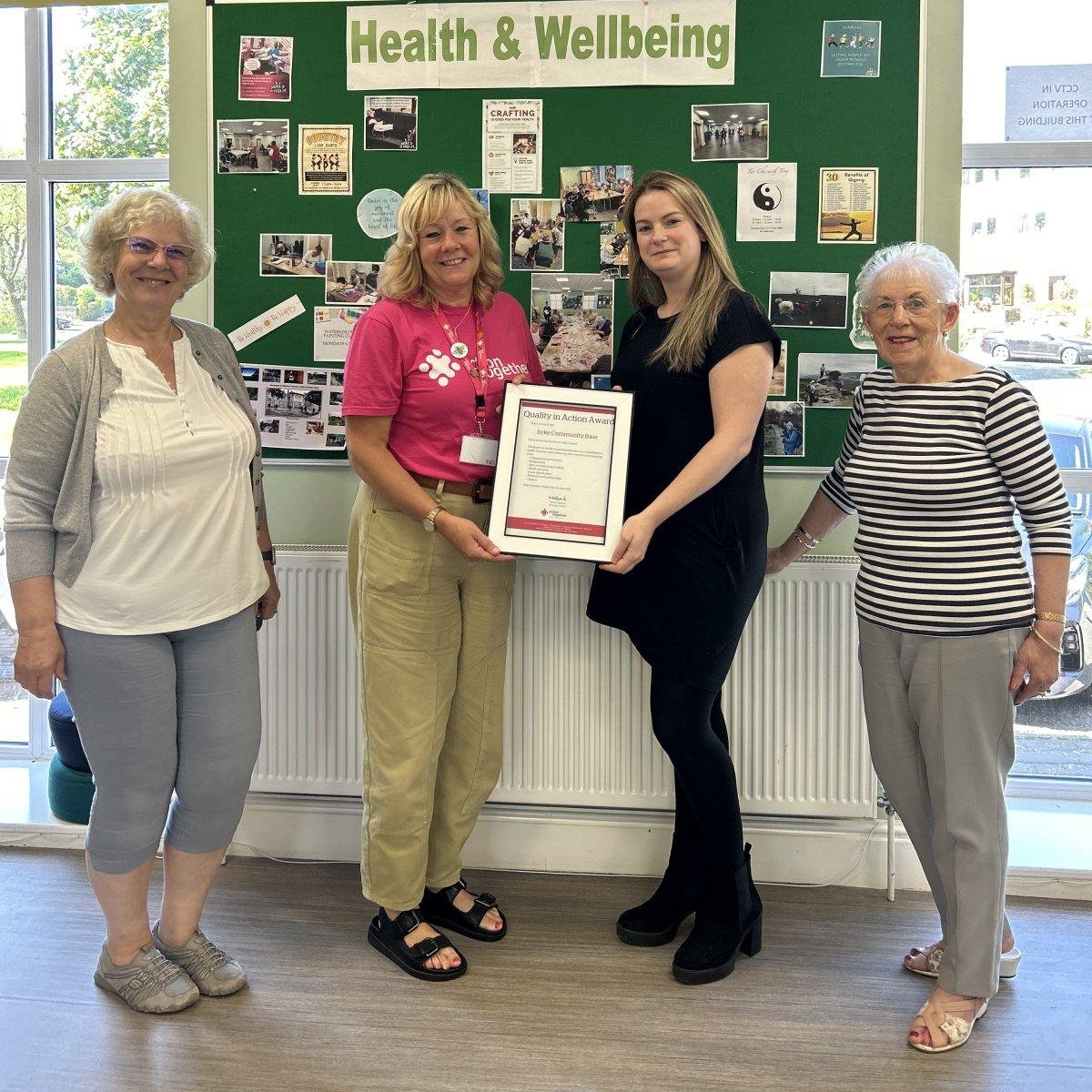
After retiring from Sparth, Sheila began volunteering within her local neighbourhood. Using the contacts, skills and experience she had developed over the years, she became involved in projects within Syke, helping transform neglected spaces and supporting local residents to create opportunities for themselves.
Through persistence, partnerships and determination, community projects developed, funding was secured and new facilities emerged.
What began with an empty pond and local concerns eventually grew into a thriving community centre with an extensive programme used by hundreds of people every week.
Again, Sheila focused on bringing people together and helping communities believe in what they could achieve.
Recognition for a Lifetime of Service
Over the years, Sheila’s work received several major honours.
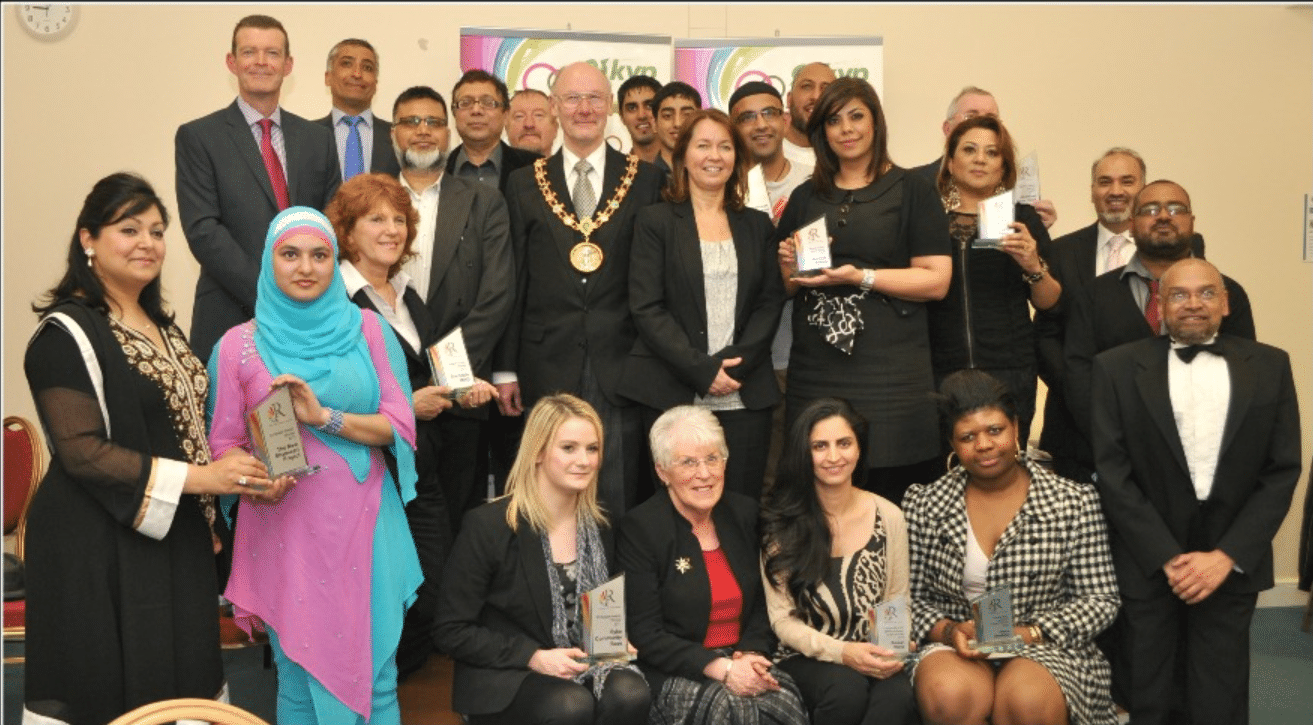
She was awarded Rochdale Woman of the Year in 2003 and later received regional recognition for her voluntary work from the Community Foundation for Greater Manchester across the North West.
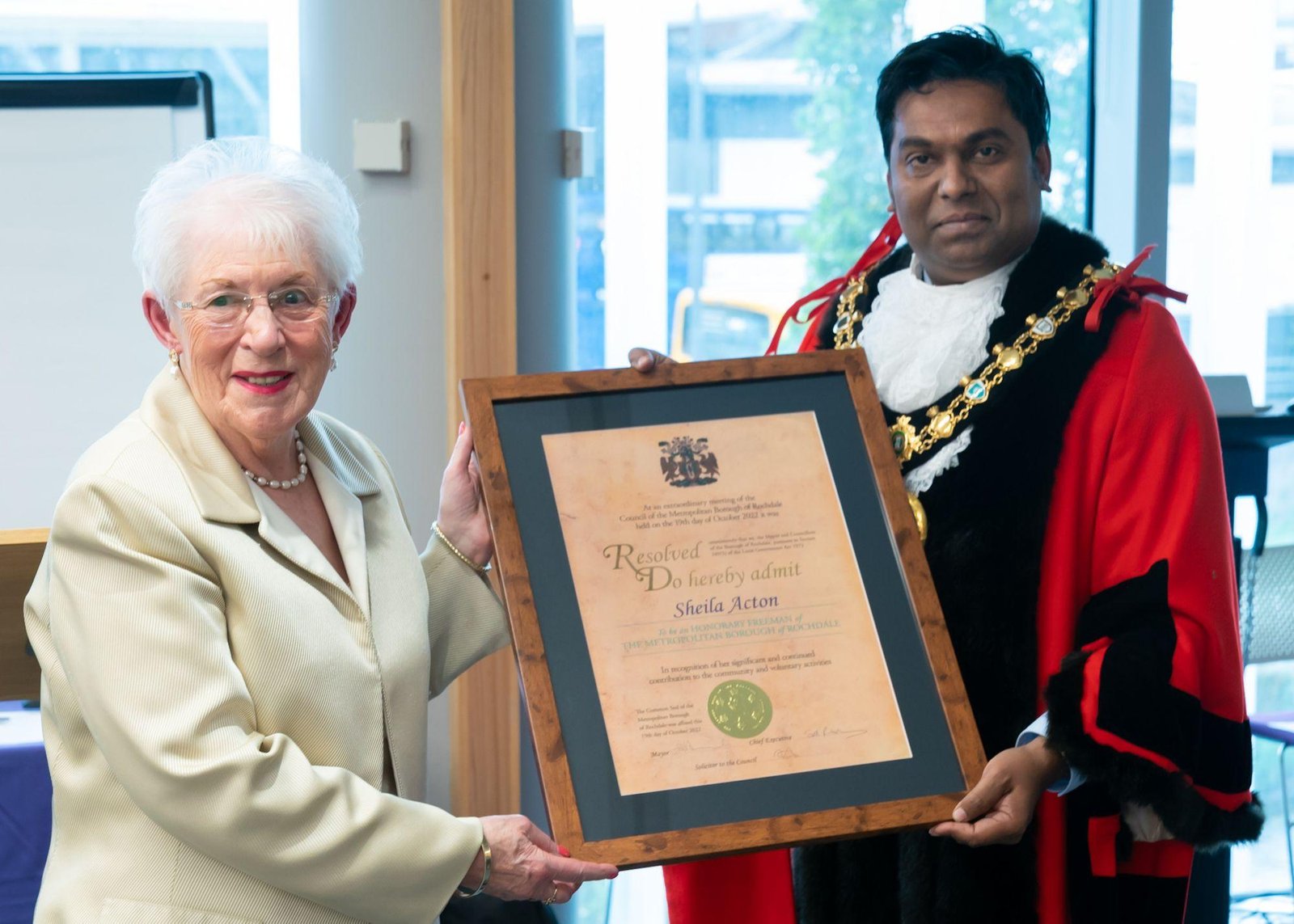
In 2022, Sheila was awarded Freedom of the Borough — one of Rochdale’s highest honours.
For Sheila, however, recognition was never about personal achievement.
She always believed many others deserved equal recognition and viewed every success as the result of people working together.
A Lasting Legacy
Across Rochdale, there are generations of people whose lives have been touched by Sheila Acton.
Many remember school days, youth clubs, football sessions, play schemes and community events.
Others remember guidance during difficult times or opportunities that changed the direction of their lives.
Perhaps Sheila’s greatest achievement was never a building, a programme or an award.
It was creating places where people felt they belonged.
Places where everyone came through the same front door.
And places where communities became families.